
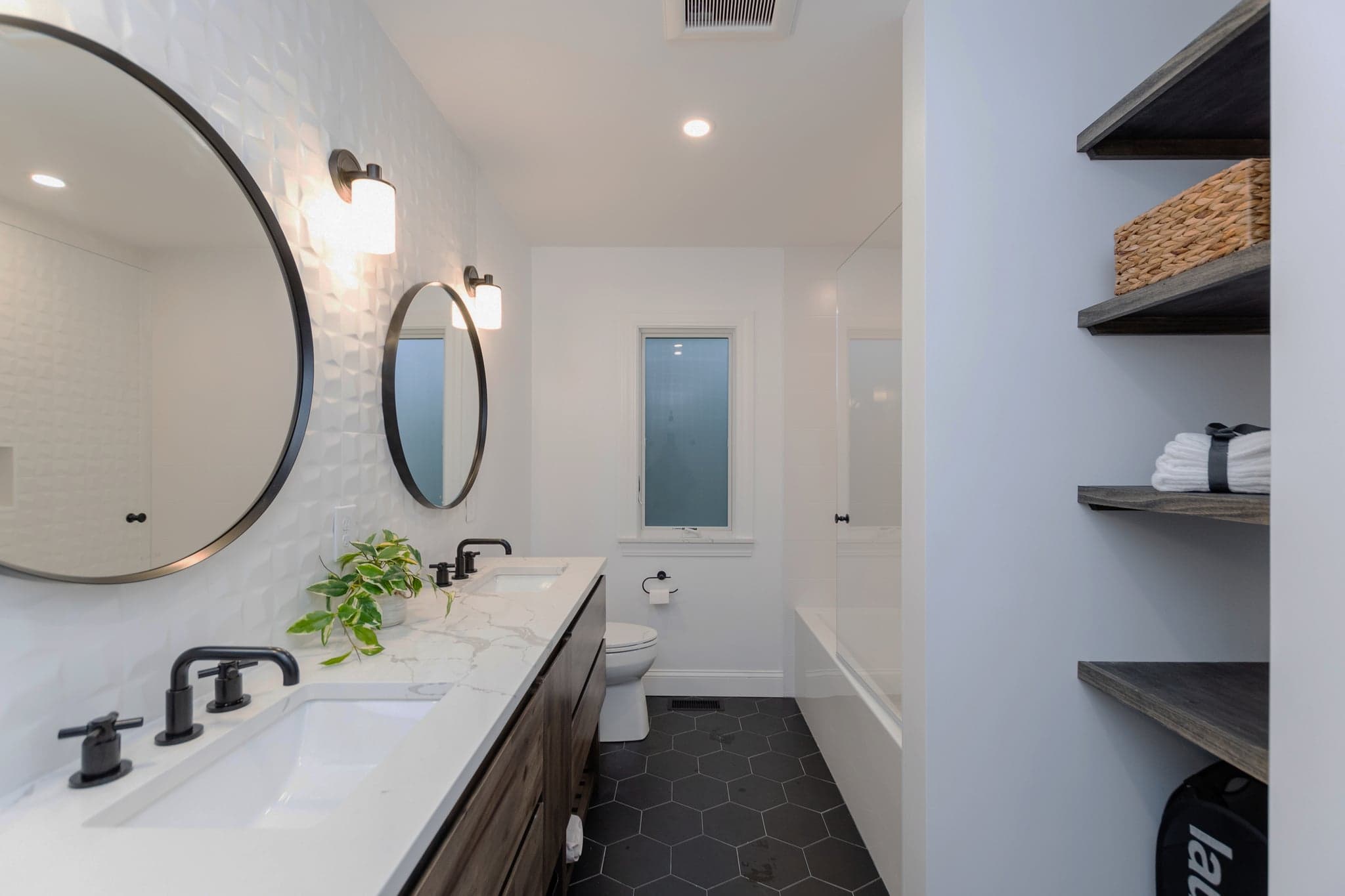
If you own a brownstone in the South End, a triple-decker in Dorchester, a colonial in West Roxbury, or a condo in Back Bay, chances are you’re working with at least one bathroom that feels too small for modern life. Tight layouts, pedestal sinks with no storage, old tile, and fixtures from another era are incredibly common across Greater Boston.
The good news? A well-planned small bathroom remodel doesn’t require a massive footprint to deliver impressive results. With the right bathroom remodel ideas, strategic material choices, and smart space planning, you can transform even the most compact bathroom into a space that feels open, functional, and genuinely enjoyable to use. Here’s how homeowners across Boston are doing it — and how the team at Bay State Remodeling can help you do the same.
Why Small Bathroom Remodels Deliver Big Returns in Boston
Bathroom remodels consistently rank among the top home improvement projects for return on investment. According to industry data, a mid-range bathroom remodel typically recoups 60% to 70% of its cost at resale — and in competitive housing markets like Boston’s, that number can be even higher when the work is done well.
For Boston homeowners specifically, upgrading a small bathroom carries extra weight because buyers in this market expect updated, functional bathrooms. A dated bathroom in an otherwise renovated home stands out — and not in a good way. Conversely, a thoughtfully remodeled bathroom signals that the entire home has been well maintained and cared for.
The key is focusing on improvements that genuinely enhance the space rather than over-investing in luxury features that don’t fit the home’s overall price point. Smart, value-driven bathroom remodel ideas make the biggest impact in Boston’s real estate landscape.
Maximize the Layout Without Moving Walls
The most cost-effective small bathroom remodel ideas work within the existing footprint. Moving plumbing or knocking down walls adds thousands to the budget and weeks to the timeline. Before going that route, explore how much you can accomplish by rethinking the layout within the space you already have.
Swap the Tub for a Walk-In Shower
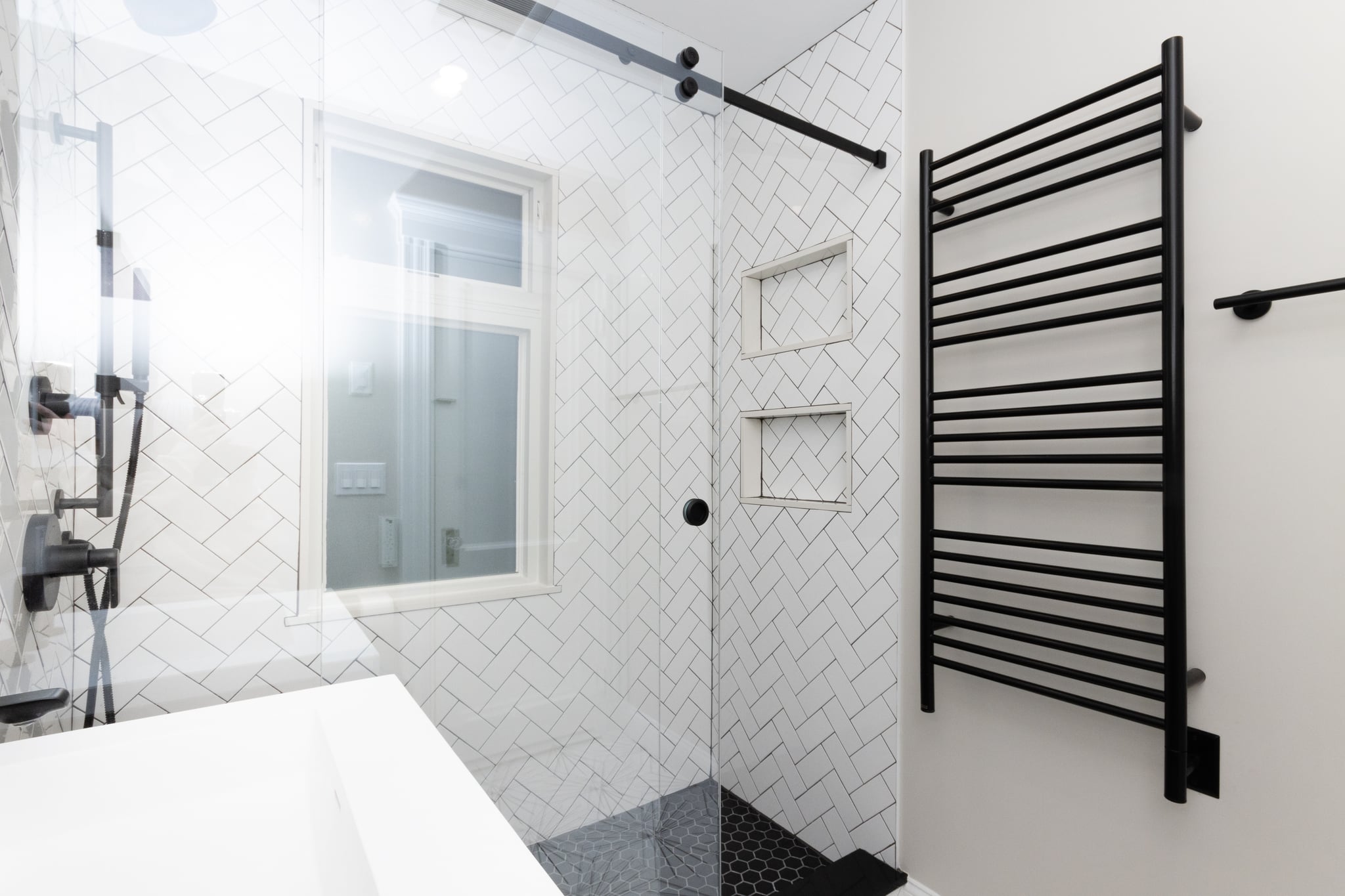
If your small bathroom has a full-size tub that rarely gets used, replacing it with a walk-in shower is one of the most transformative changes you can make. A frameless glass enclosure or even a curbless shower design opens up the room visually and makes it feel significantly larger than the old tub-and-curtain setup.
This swap is especially effective in Boston’s older homes where the original bathrooms were designed around a standard 5-foot tub. Removing that tub and installing a modern shower with a built-in niche and linear drain can make the same square footage feel like an entirely different room.
Replace a Pedestal Sink with a Vanity
Pedestal sinks are charming, but they offer zero storage — a real problem in a small bathroom. Switching to a floating vanity or a compact 24-inch to 30-inch vanity with drawers gives you critical storage underneath while keeping the floor visible, which makes the room feel more spacious. Wall-mounted vanities are particularly effective in tight spaces because the exposed floor creates an illusion of openness.
Reposition the Toilet
Sometimes shifting the toilet by even a few inches — closer to a wall or into a corner — frees up enough space to change the feel of the room. A compact elongated toilet gives you the comfort of a standard-size bowl in a smaller overall footprint, which can make a noticeable difference in a bathroom where every inch matters.
Tile and Material Choices That Open Up a Small Space
The materials you choose have an outsized impact in a small bathroom. The right tile, countertop, and finish selections can make a compact room feel airy and cohesive — while the wrong ones can make it feel even smaller.
Go Large with Tile Format
Large-format tiles — 12×24 inches or bigger — are one of the most effective small bathroom strategies. Fewer grout lines mean fewer visual interruptions, which makes the room feel more expansive. Running the same tile from floor to wall (or even floor to ceiling in the shower) creates a smooth look that stretches the perceived space.
Keep the Palette Light and Consistent
Light, neutral tones — warm whites, soft grays, light greige, pale blue — reflect more light and make walls feel like they’re receding. Sticking to a consistent color palette across floors, walls, and the vanity prevents the visual choppiness that makes small rooms feel fragmented.
That doesn’t mean the room has to be boring. Adding texture through a patterned floor tile, a zellige backsplash behind the vanity, or a feature wall inside the shower introduces personality without shrinking the space.
Choose the Right Countertop
For small vanity tops, quartz is the most practical and popular choice among Boston homeowners. It’s durable, non-porous, low-maintenance, and available in a wide range of colors and patterns. For a more polished feel, marble or quartzite adds natural beauty — just keep in mind that natural stone requires sealing and slightly more care in a high-moisture environment.
Lighting That Makes a Small Bathroom Feel Bigger
Lighting is one of the most underestimated elements in a small bathroom remodel. Many older Boston bathrooms have a single overhead fixture and little or no natural light, which makes the space feel cave-like. A thoughtful lighting plan can completely change that.
- Vanity sconces — wall-mounted lights flanking the mirror provide even, flattering illumination and eliminate the harsh shadows cast by a single overhead fixture.
- Recessed ceiling lights — slim, low-profile recessed lights brighten the room without taking up visual space. They’re especially effective in bathrooms with standard 8-foot ceilings.
- Backlit mirrors — an LED-backlit mirror serves double duty as ambient lighting and a modern design focal point. It adds a soft glow that makes the room feel warmer and more spacious.
- Natural light maximization — if your bathroom has a window, keep treatments minimal. A frosted glass pane or a simple roman shade lets daylight in while maintaining privacy.
Layering these light sources — task lighting at the vanity, ambient lighting overhead, and accent or natural light where possible — transforms a small bathroom from dim and dated to bright and welcoming.
Storage Solutions for Compact Bathrooms
Storage is the number-one pain point in small bathrooms, and the best bathroom remodel ideas solve it without cluttering the room. Here’s how to build in the storage you need without sacrificing the open feel you’re after:
- Recessed medicine cabinets — built into the wall between studs, they provide substantial storage without projecting into the room. Modern recessed cabinets come in frameless, mirrored designs that look sleek and contemporary.
- Shower niches — a built-in niche eliminates the need for a hanging caddy or shelf, keeping the shower clean-lined and organized. A single large niche or two stacked niches provide plenty of space for daily essentials.
- Vanity drawers over doors — drawers with internal dividers are far more efficient than traditional cabinet doors with a single shelf. You can organize everything from toiletries to cleaning supplies without digging through a cluttered cabinet.
- Towel hooks instead of bars — in a tight bathroom, individual hooks mounted on the back of the door or along a wall take up less space than a towel bar and can actually hold more towels.
- Floating shelves above the toilet — a simple but effective use of dead wall space. Two or three open shelves above the toilet provide display and storage without requiring any floor space.
The most functional small bathrooms look clean and uncluttered precisely because every storage need was planned for during the remodel — not added as an afterthought.
Fixture and Hardware Upgrades That Make a Difference
Upgrading fixtures is one of the most impactful bathroom remodel ideas for the money. Modern fixtures improve both the look and the functionality of the room, and they’re among the first things buyers notice.
Faucets and Showerheads
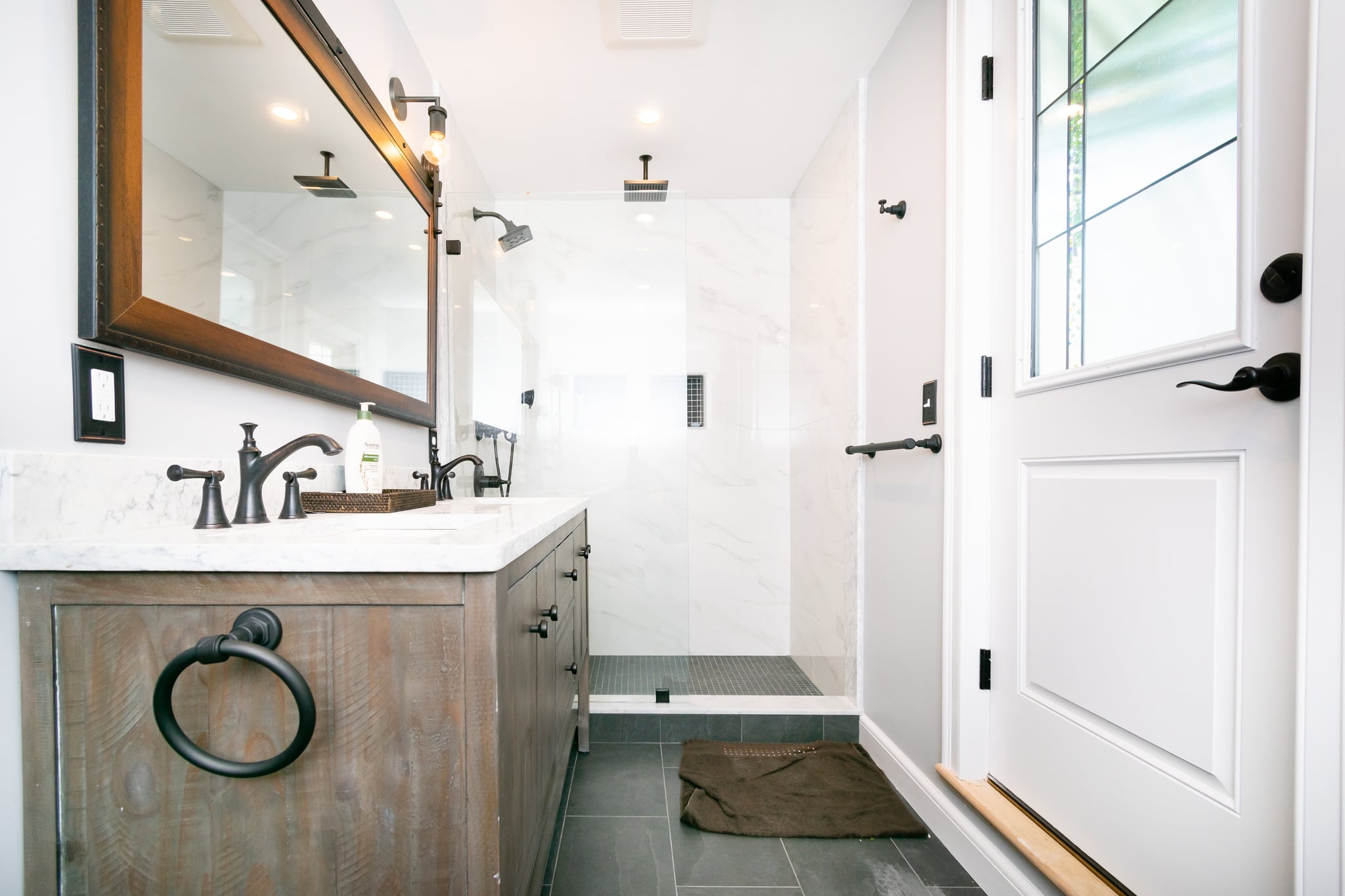
A high-quality faucet in matte black, brushed gold, or brushed nickel instantly modernizes the vanity area. For the shower, a rain showerhead paired with a handheld wand on a slide bar offers a spa-like experience in a compact space. Thermostatic shower valves, which maintain a consistent water temperature, are another practical upgrade that adds comfort and safety.
Hardware and Accessories
Matching your towel hooks, toilet paper holder, robe hook, and cabinet hardware in a cohesive finish ties the room together. This is a small investment — often under $200 for a full set — that gives the bathroom a polished, intentional look. In 2026, warm finishes like brushed brass and champagne gold are trending strongly in the Boston market, while matte black remains a reliable modern choice.
Toilets
If your toilet is more than 15 years old, replacing it is a smart upgrade. Modern low-flow toilets use 1.28 gallons per flush or less compared to the 3.5 to 5 gallons used by older models. Beyond the water savings, today’s toilets offer comfort-height seating, elongated bowls in compact bodies, and concealed trapways that are easier to clean.
What to Know About Permits and Plumbing in Boston
Boston’s building codes require permits for most bathroom renovation work that involves plumbing, electrical, or structural changes. If you’re moving fixtures, adding new plumbing lines, or updating electrical wiring, a permit is necessary. The City of Boston’s Inspectional Services Department oversees these permits and conducts inspections to ensure the work meets code.
Working with a licensed remodeling contractor who handles the permitting process is the simplest way to stay compliant. At Bay State Remodeling, we manage permits, coordinate inspections, and ensure every project meets Massachusetts building code requirements — so you don’t have to navigate the process yourself.
For homeowners in older Boston buildings, it’s also worth noting that plumbing and electrical systems often need to be brought up to current code when the bathroom is opened up. A qualified contractor will identify these requirements early in the planning process so there are no surprises once the project is underway.
How Much Does a Small Bathroom Remodel Cost in Boston?
Costs for a small bathroom remodel in the Boston area vary depending on the scope of work, material selections, and the condition of the existing space. As a general guideline:
- Cosmetic refresh (new fixtures, paint, hardware, lighting): $5,000 – $10,000
- Mid-range remodel (new tile, vanity, toilet, shower, lighting): $15,000 – $30,000
- High-end remodel (premium materials, custom tile work, heated floors, full gut renovation): $30,000 – $50,000+
Boston’s labor costs tend to run higher than the national average, which reflects the skill level and licensing requirements of contractors working in the area. Investing in a qualified, licensed contractor protects the value of your remodel and avoids costly mistakes that cheaper, unlicensed work can produce.
Explore examples of completed bathroom projects on our complete bathrooms page to see the range of what’s possible at different investment levels.
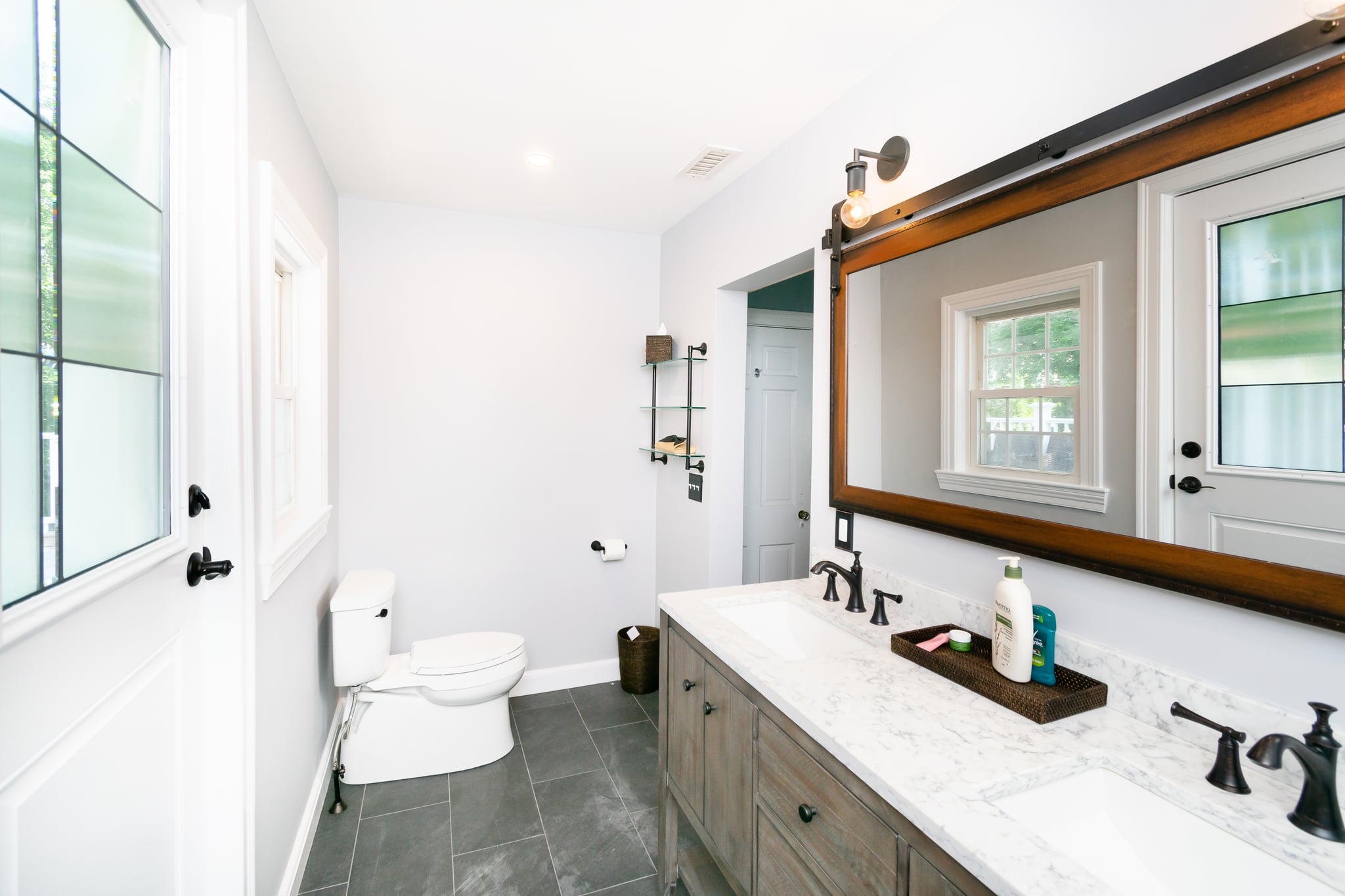
Getting Started with Your Small Bathroom Remodel
The best bathroom remodel ideas start with a clear understanding of your goals, your budget, and your home’s specific conditions. Before committing to a plan, take these steps:
- Identify your priorities. Is this remodel primarily about adding storage? Updating the style? Improving resale value? Your main goal shapes every decision that follows.
- Set a realistic budget. Know your range before meeting with a contractor. This allows the designer to recommend the best combination of materials and upgrades for your investment.
- Consult a professional early. A licensed remodeling contractor can assess your existing plumbing, electrical, and structural conditions during an initial consultation — saving you from planning around assumptions that may not hold up once the walls are opened.
- Gather inspiration, but stay grounded. Browse project photos and design ideas, but keep your home’s architecture and scale in mind. The best remodels feel like they belong in the home, not like they were transplanted from a magazine.
At Bay State Remodeling, we specialize in bathroom and kitchen remodels for Boston-area homeowners. We understand the unique challenges of working in older buildings, navigating city permits, and delivering results that add lasting value to your home.
Frequently Asked Questions
What are the best bathroom remodel ideas for small spaces?
The most effective small bathroom remodel ideas include replacing a tub with a walk-in shower, installing a floating vanity for visual openness and storage, using large-format tile to reduce grout lines, adding recessed storage like medicine cabinets and shower niches, layering multiple light sources, and keeping the color palette light and consistent throughout the room.
How much does a small bathroom remodel cost in Boston?
In the Boston area, a cosmetic bathroom refresh typically costs $5,000 to $10,000. A mid-range remodel with new tile, vanity, toilet, and shower ranges from $15,000 to $30,000. High-end renovations with premium materials and custom work can run $30,000 to $50,000 or more. Labor costs in Boston tend to be higher than the national average due to licensing requirements and the skill level needed for working in older buildings.
Does a bathroom remodel add value to a Boston home?
Yes. A mid-range bathroom remodel typically recoups 60% to 70% of its cost at resale, and in competitive markets like Boston, strong remodels can perform even better. Updated bathrooms are one of the first things buyers evaluate, and a well-done renovation signals that the home has been properly maintained.
Do I need a permit to remodel a bathroom in Boston?
In most cases, yes. Boston requires permits for bathroom renovations that involve plumbing changes, electrical work, or structural modifications. Cosmetic updates like painting or replacing hardware typically do not require a permit. A licensed remodeling contractor will handle the permitting process and coordinate inspections to ensure the work meets Massachusetts building code.
Should I replace my bathtub with a shower in a small bathroom?
If the bathroom is a secondary or guest bathroom and the tub is rarely used, replacing it with a walk-in shower is one of the most effective small bathroom upgrades. It opens up floor space, modernizes the room, and appeals to most buyers. However, it’s generally recommended to keep at least one bathtub in the home — especially for families with young children — so evaluate your overall bathroom situation before removing your only tub.
How long does a small bathroom remodel take in Boston?
A typical small bathroom remodel takes two to four weeks from demolition to completion, depending on the scope of work and whether any plumbing or electrical systems need to be updated. Projects in older Boston homes may take slightly longer if unexpected conditions are discovered behind walls. A detailed planning and assessment phase before construction begins helps minimize surprises and keep the project on schedule.
Thinking about a project of your own
A 30-minute consult is usually enough to confirm whether we are the right fit.
Book a consult