
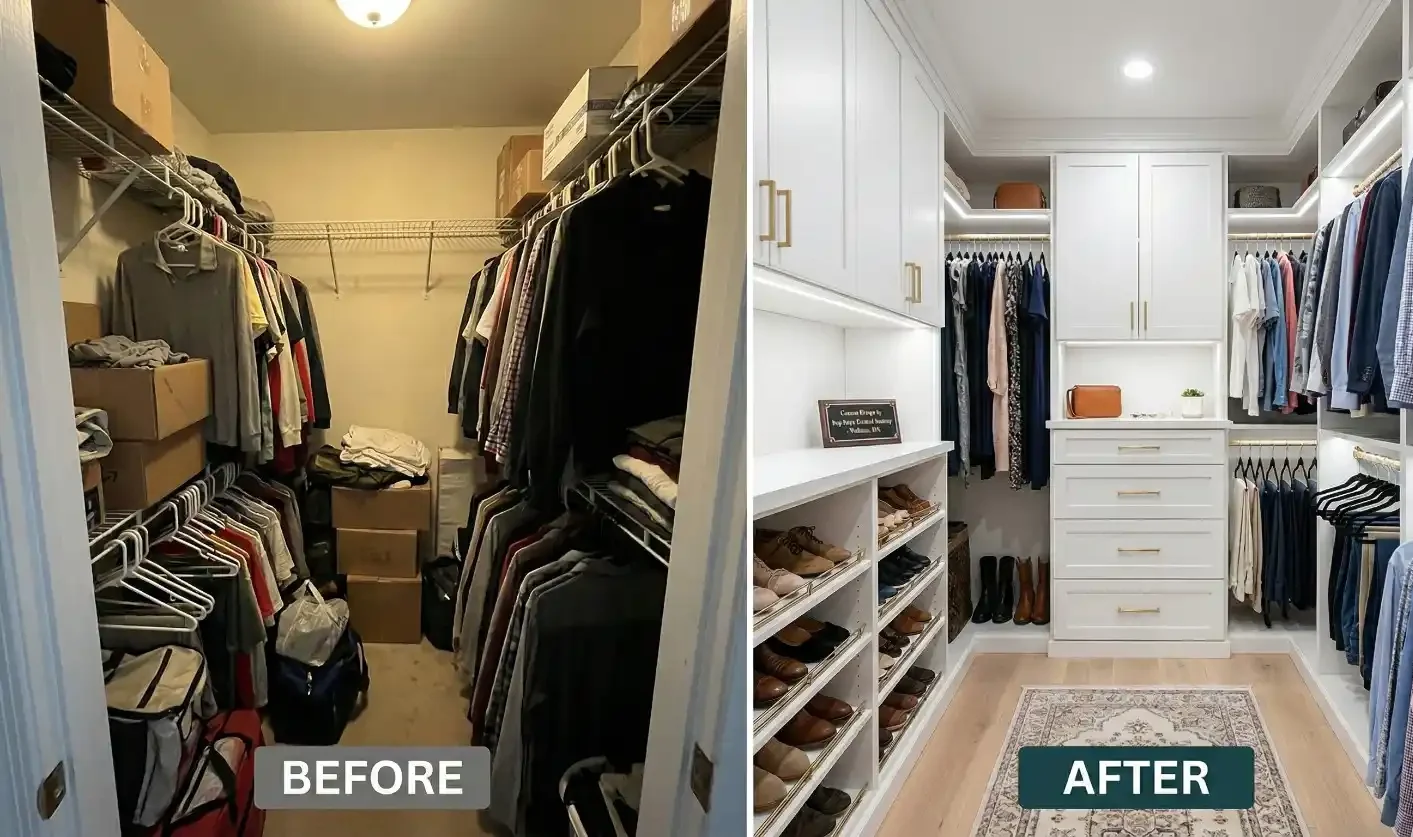
Most Boston and Newton homeowners are sitting on some of their home’s most underutilized square footage without even realizing it. The basement. In a region where real estate is competitive and home prices continue to climb, finishing or transforming a basement is one of the smartest investments a homeowner can make. Basement remodeling before and after transformations can turn a dark, unused storage space into a family room, home office, guest suite, or rental unit that adds genuine livable square footage and measurable market value.
This guide walks through real-world basement transformation scenarios, what the process looks like from start to finish, and how Boston and Newton homeowners can approach their own basement remodel with confidence. Bay State Remodeling has helped dozens of Massachusetts homeowners reclaim their basements, and this guide shares what we have learned along the way.
Why Basement Remodeling Makes Sense in the Boston Area
Boston and Newton homeowners face a unique set of circumstances that make basement remodeling particularly attractive. Home prices in the greater Boston metro consistently rank among the highest in the country, which means that adding functional living space through a basement renovation delivers a strong return on investment without the cost of a full addition.
According to Remodeling Magazine’s Cost vs. Value Report, a basement remodel in the New England market returns an average of 70 to 75 percent of its cost at resale. But beyond resale value, there is the immediate lifestyle return: a dedicated home office, a place for teenagers to have their own space, or a finished guest suite that eliminates the need to find hotel rooms for visiting family.
New England basements also come with specific challenges that make professional remodeling especially important:
- Moisture and waterproofing: Boston’s climate brings significant rainfall and snowmelt. A finished basement that has not been properly waterproofed before framing and drywalling is a future mold problem waiting to happen.
- Low ceilings: Many older Boston and Newton homes have basements with 7-foot or lower ceilings, requiring careful planning around mechanical systems, ductwork, and lighting choices.
- Permit requirements: Massachusetts requires permits for finished basement work, including electrical, plumbing, and egress modifications. Working without permits creates liability and title issues when selling.
- Egress windows: If the basement will include a bedroom, Massachusetts building code requires an egress window meeting specific size requirements. This is a non-negotiable safety requirement.
Basement Before and After: Common Transformation Scenarios
The most inspiring basement remodeling before and after stories come in several recurring patterns. Here are the most common transformation types Bay State Remodeling sees in the Boston and Newton area:
From Unfinished Storage to Family Entertainment Room
This is the most popular basement transformation. Before: exposed concrete block walls, a bare concrete floor, one bare bulb hanging from a joist, and wall-to-wall holiday decorations and cardboard boxes. After: a fully finished space with recessed lighting, luxury vinyl plank flooring, a built-in media wall, a wet bar or kitchenette, and comfortable seating for the whole family.
The transformation typically involves framing interior walls, installing insulation rated for below-grade spaces, running new electrical circuits for lighting and entertainment, and selecting flooring that can handle basement humidity levels.
From Dark Basement to Dedicated Home Office
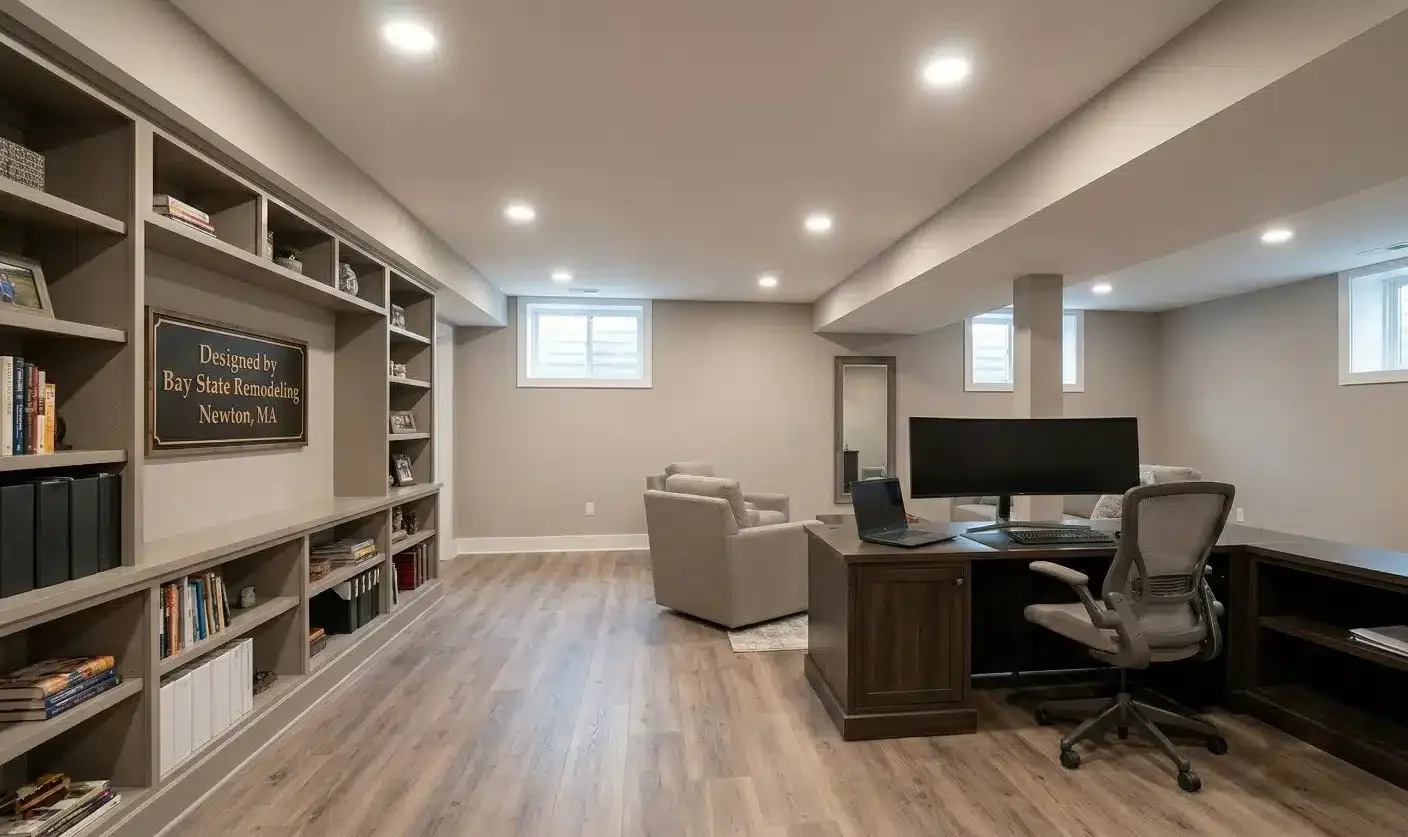
With remote work now a permanent reality for many Boston professionals, the home office basement conversion has become one of the most requested transformations. Before: a dim, poorly ventilated space used for laundry and mechanical equipment. After: a bright, climate-controlled workspace with built-in shelving, proper task lighting, a dedicated circuit for computer equipment, and soundproofing between floors.
These projects often involve relocating the laundry area to a utility corner and creating a separate mechanical room to free up the main basement area.
From Unfinished Space to Legal Accessory Dwelling Unit
In Boston and Newton, where housing demand is intense, finishing a basement as a legal rental unit or in-law suite is a game-changing investment. Before: raw, unfinished space with no bathroom, no kitchen, and no proper egress. After: a fully permitted, self-contained unit with a bathroom, a kitchenette or full kitchen, a bedroom with egress window, and a separate entrance.
This type of project requires the most planning and permitting but delivers the highest long-term financial return through rental income or increased property value.
The Basement Remodeling Process: What to Expect
Understanding the process helps Boston and Newton homeowners plan realistically and avoid the surprises that derail budget and timeline. Here is how a professional basement transformation typically unfolds:
Step 1: Assessment and Moisture Testing
Before any framing or finishing work begins, the space needs a thorough moisture and structural assessment. This includes checking for water infiltration points, testing humidity levels, inspecting the foundation for cracks, and evaluating the condition of existing mechanical systems. Any moisture issues must be resolved before finishing begins. No exceptions.
Step 2: Design and Permitting
A detailed floor plan is developed based on how the homeowner intends to use the space. In Massachusetts, permits are required for electrical, plumbing, and structural modifications. The permitting process in Boston and Newton typically takes two to six weeks depending on the municipality and scope of work. Just as any major home renovation requires careful planning, this step is where common renovation mistakes are avoided by working with experienced professionals who understand local code requirements.
Step 3: Waterproofing and Insulation
With permits in hand, the first physical work is waterproofing and insulation. This may involve applying waterproof coatings to foundation walls, installing a drainage membrane or interior drainage system, and selecting insulation products appropriate for below-grade installations. Spray foam insulation is particularly effective in New England basements because it creates both a thermal and vapor barrier simultaneously.
Step 4: Framing, Mechanical, and Electrical Work
Interior walls are framed, mechanical systems are reconfigured or relocated as needed, and all electrical and plumbing rough-in work is completed. This is also when egress windows are installed if the project includes a bedroom. All work is inspected by the local building department before walls are closed.
Step 5: Finishing
Drywall, flooring, trim, doors, lighting fixtures, and all finish elements are installed. This is the phase where the before-and-after difference becomes visually dramatic. The right material choices at this stage are critical for durability in a below-grade environment.
Material Choices That Make the Before and After Difference
The materials used in a basement remodel must be selected with the below-grade environment in mind. What works beautifully in an above-grade room can fail quickly in a basement.
Flooring
Luxury vinyl plank is the most popular choice for finished basements in the Boston area because it is fully waterproof, durable, comfortable underfoot, and available in designs that closely mimic hardwood and tile. Engineered hardwood is an option in well-controlled basements but carries more risk. Carpet works in dry, well-conditioned spaces but is not recommended directly on concrete without a moisture barrier.
Walls and Ceilings
Moisture-resistant drywall (also called green board or purple board) should be used on all below-grade walls. Standard drywall absorbs moisture and promotes mold growth. For ceilings, suspended tile systems are practical because they provide access to mechanical systems above, but drywall ceilings offer a more polished finished look.
Lighting
Basements typically have little to no natural light, which makes lighting design one of the most transformative elements of any before-and-after project. Recessed LED lighting on dimmer switches creates a flexible, high-quality environment. Well-placed lighting can make a basement feel completely different even before any other finishes are installed. This attention to detail in design is what separates a professionally completed project from a DIY effort, similar to how thoughtful planning defines a successful bathroom remodel or kitchen renovation.
Budget Expectations for Basement Remodeling in Boston and Newton
Basement remodeling costs in the greater Boston area vary significantly based on the size of the space, the scope of the transformation, and the finish level selected. Here are realistic ranges based on current Massachusetts market conditions:
- Basic finishing (drywall, flooring, lighting, paint): $25,000 to $45,000 for a typical 800 to 1,000 sq ft basement
- Mid-range transformation with bathroom addition: $50,000 to $80,000
- Full accessory dwelling unit with kitchen and separate entrance: $90,000 to $150,000 and above depending on complexity
These figures reflect Greater Boston pricing, which is consistently higher than national averages due to labor costs and permitting requirements. The investment, however, is backed by strong resale returns and immediate lifestyle value.
If you are also planning improvements elsewhere in the home, understanding how remodeling budgets work across different projects is helpful. Our bathroom decor ideas and modern bathroom ideas guides offer perspective on how design decisions affect overall project value.
How Long Does a Basement Remodel Take in Boston?
Timeline is one of the most common questions homeowners ask before starting a basement project. A straightforward finishing project without plumbing typically takes six to ten weeks from permit approval to final inspection. Projects that include a bathroom, kitchen, or accessory dwelling unit take longer, typically twelve to twenty weeks. Boston and Newton permit timelines add two to six weeks on top of construction time. For comparison, understanding how long a bathroom renovation takes in Boston gives a useful frame of reference, since basement projects with bathroom additions follow a similar permitting and inspection timeline.
Start Your Basement Transformation in Boston or Newton Today
Your basement has more potential than it is currently delivering. Whether you are envisioning a family entertainment room, a professional home office, a guest suite, or a fully permitted accessory dwelling unit, Bay State Remodeling has the expertise to take your project from an empty concrete box to a finished space you will actually use and enjoy every day.
We serve homeowners throughout Boston, Newton, and the greater MetroWest area. Our team handles everything from initial design and permitting through final inspection, so you never have to coordinate multiple contractors or navigate the permit process alone.
Schedule Your Free Basement Remodeling Consultation with Bay State Remodeling and take the first step toward a home that works harder for your family.
Frequently Asked Questions About Basement Remodeling
Does finishing a basement add value to a home in Massachusetts?
Yes. In the Boston and Newton real estate market, a professionally finished basement consistently adds value at resale. Remodeling Magazine’s Cost vs. Value data for the New England region shows basement remodels returning 70 to 75 percent of their cost, and in a competitive market like Greater Boston, finished square footage commands a premium.
Do I need a permit to finish my basement in Boston or Newton?
Yes. Massachusetts requires permits for any basement finishing work that involves framing, electrical, plumbing, or structural changes. Working without permits creates liability when selling and can result in fines or forced demolition of unpermitted work. Bay State Remodeling handles all permitting as part of the project scope.
How do I prevent moisture problems in a finished basement?
Proper waterproofing before any finishing work begins is the key. This means addressing any existing water infiltration points, applying appropriate foundation coatings, installing a drainage membrane if needed, and using moisture-resistant materials throughout. Never finish over an actively wet basement and never use standard drywall on below-grade walls.
Can I add a bedroom in my basement?
Yes, but Massachusetts building code requires that any basement bedroom have an egress window meeting specific minimum size and height-above-floor requirements. The window must be large enough for a person to escape in an emergency. Bay State Remodeling handles egress window installations as part of bedroom addition projects.
What is the best flooring for a finished basement in New England?
Luxury vinyl plank is the most practical and popular choice for New England basements because it is fully waterproof, durable, comfortable underfoot, and highly realistic in appearance. It handles the humidity fluctuations common in New England basements far better than carpet, hardwood, or laminate.
Ready to Move Forward?
Basement remodeling before and after transformations represent some of the most dramatic and financially rewarding home improvements available to Boston and Newton homeowners. A dark, unfinished space becomes a fully functional extension of your home, adding real square footage, real lifestyle value, and real dollars to your property’s market value.
The key to a successful transformation is working with a contractor who understands the specific demands of New England basements: moisture management, Massachusetts building code, and the design sensibility that makes a finished basement feel like a natural part of the home rather than an afterthought. Bay State Remodeling brings all of that to every project we take on.
Contact Bay State Remodeling today to start planning your basement transformation.
Thinking about a project of your own
A 30-minute consult is usually enough to confirm whether we are the right fit.
Book a consult